






We’ll spoil the answer right away: yes, it is. Just like any other sport, in fact. But we’d go as far as to say that diving has an extra bonus. After all, diving is an exciting activity full of adventure, offering challenges and fascinating rewards. All of this naturally translates into great benefits for both your physical and mental health. However, like any physical activity, it also has its risks and considerations. In this article, we explore the pros and cons of diving from a health perspective, and we’ll also address some common questions about specific conditions such as asthma and hypertension.
Contents
Health benefits of diving

Beyond the objectively measurable benefits, there’s a clear advantage derived from something as simple as enjoying what you do. Happiness is pure energy for our minds and bodies—it’s what drives us and lifts us up. So, if your passion is diving, practice it, travel, discover new places and people.
Improved lung capacity
When you're underwater, you need to breathe in a controlled and deep way. Not only is this essential for conserving air, but it also trains your lungs and improves the oxygenation of your body. It's like doing yoga... but with fish!
Stress reduction
There’s nothing like the silence of the sea floor to disconnect from daily chaos. Diving promotes mental relaxation, reduces cortisol levels (the stress hormone), and enhances your emotional well-being. Who needs a spa when you have a coral reef?
Physical exercise
Did you know that one hour of diving can burn between 400 and 600 calories? Moving in water is a low-impact exercise, ideal for improving endurance and toning muscles without straining your joints.
Potential risks of diving
While the benefits are numerous, it’s important to consider the risks associated with diving. These include decompression issues, hearing problems, and managing pre-existing conditions. But don’t worry— with proper preparation and guidance from expert instructors, you can dive safely.
How to dive safely
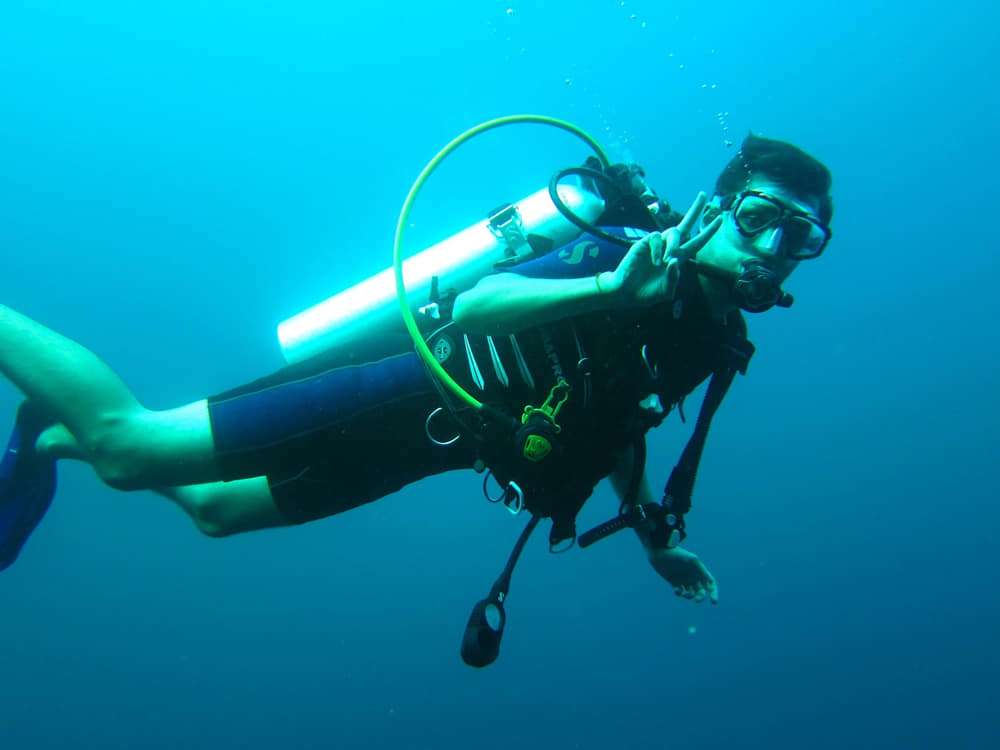
- Get certified: Make sure you take a certified course that teaches you the fundamentals of safe diving.
- Regularly inspect your equipment: Don’t risk using defective regulators or tanks that haven’t been inspected.
- Know your limits: Understanding your physical limits and depth limits is key to avoiding problems.
- Regular medical check-ups: If you have a medical condition, always consult a doctor before diving!
Can you dive with asthma?
Yes, but it depends on your specific condition. If your asthma is well-controlled and doesn’t trigger easily, you could dive without issue. However, always consult a diving medicine specialist before hitting the water. Physical exertion, cold temperatures, and pressure could be risk factors.
Can I dive with hypertension?
Good news! Having hypertension doesn’t mean you have to hang up your fins. However, proper management of your blood pressure and a doctor’s approval are necessary. Often, people with well-controlled hypertension can dive safely, as long as they don’t have serious cardiovascular complications.
Does diving affect the ears?
The ears are one of the most sensitive parts of the body when diving. Pressure changes can cause barotrauma or discomfort if you don’t equalize properly. The Valsalva technique is your best friend for balancing the pressure and preventing those annoying post-dive “ear pains.” In any case, these are minor problems, or rather, discomforts, that should never be an obstacle to diving and enjoying the experience.
Diving can be a safe, healthy, and highly enjoyable activity if you take the necessary precautions. What’s the key? Prepare well, listen to your body, and enjoy every bubble. So, put on your wetsuit, adjust your mask, and dive into the amazing underwater world.





0 Comments