
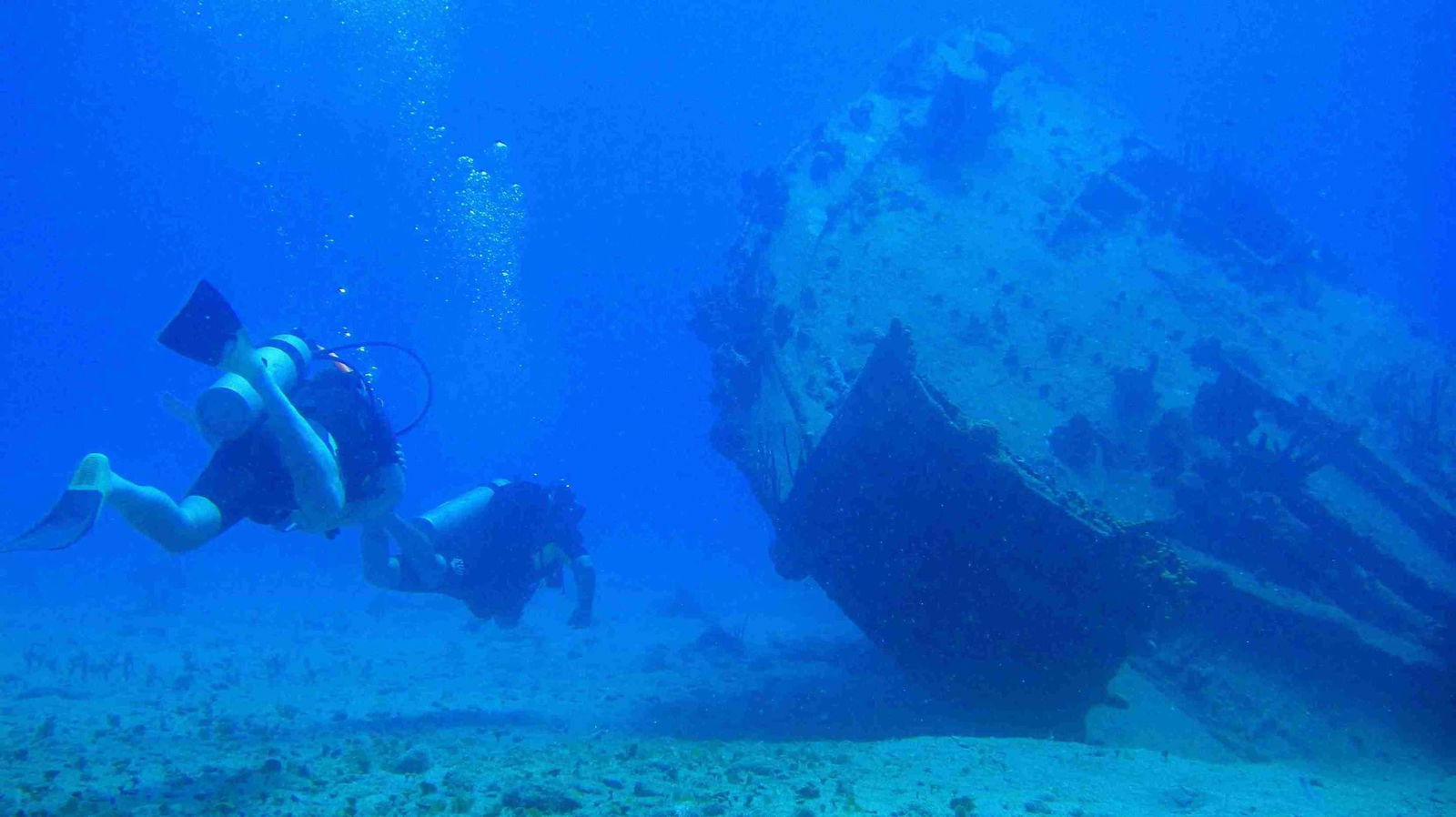





Today, we’re going to share some stories with you. Passionate, tragic, and yes, real. The seas and oceans of the world are full of stories, and many of them remain there, tangible, beneath the surface, witnesses of time, in the form of shipwrecks. The remains of ships, and consequently the stories associated with them, have become fascinating attractions for divers and explorers around the globe, who descend in search of this epic, gaining access to a piece of history.
Now then, join us on this journey to discover the most famous shipwrecks in history and what their remains hide.
Contents
What is a shipwreck?
Let’s start with the basics. A shipwreck occurs when a vessel, regardless of its size, is destroyed or disabled due to adverse circumstances such as storms, collisions, or severe malfunctions, ending up sunken at the bottom of the sea. You can imagine that this has happened countless times throughout maritime history, leaving behind remains that have become archaeological testaments of the past, valuable for exploring specific historical episodes.
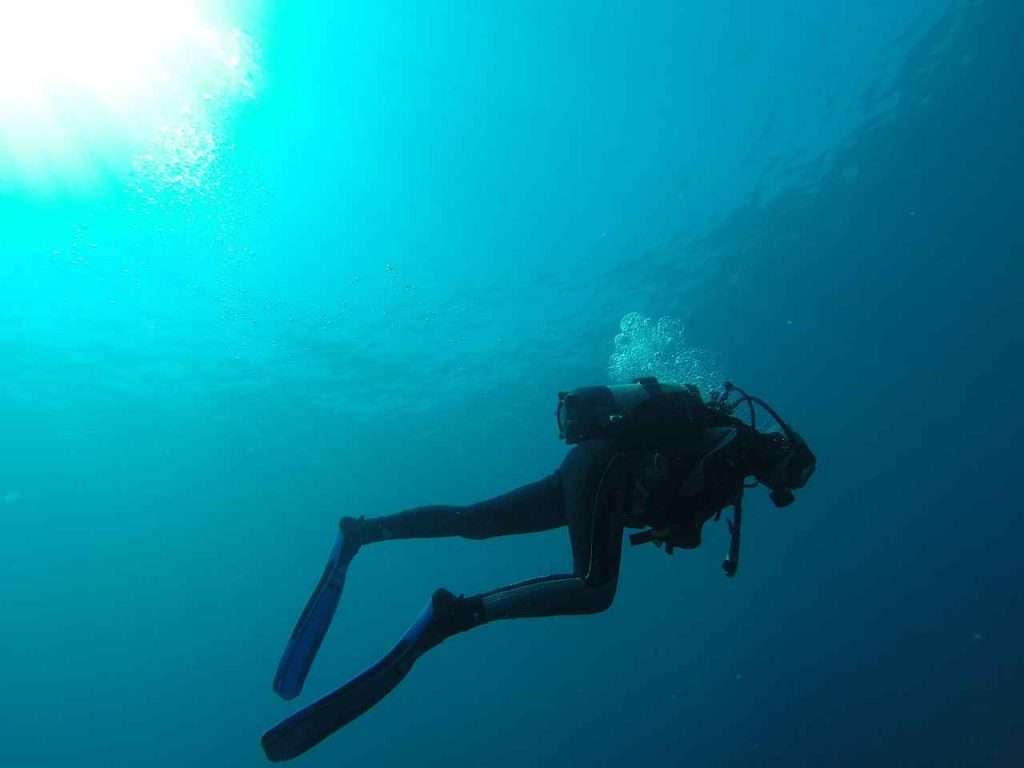
However, shipwrecks should not only be seen as a loss or linked to something negative. In most cases, they transform into unique marine ecosystems that attract a great variety of life. In other words, they take on a new role, becoming home to fish, corals, and species of all kinds.
The most famous shipwrecks in the world
Some you’ll know well, others by hearsay, and some may be entirely new to you. But rest assured, all have a fascinating story behind them. Below, we’ll share some of the most famous shipwrecks in history.
1.The Titanic
Probably the most famous shipwreck of all, the Titanic sank in 1912 after colliding with an iceberg on its maiden voyage. Despite its reputation as the "unsinkable" ship, it went down in the freezing waters of the North Atlantic. What makes the Titanic so intriguing is the wealth of personal stories lost with it and the treasure of everyday objects scattered at its resting place. It’s not accessible (though attempts have been made) due to its depth and location.
2.USS Arizona
The USS Arizona was one of the largest ships sunk during the attack on Pearl Harbor in 1941. Today, it stands as a symbol of World War II and an underwater national monument. Its remains lie in Pearl Harbor, Hawaii, and you can still see bubbles of oil slowly rising to the surface, known as "black tears". Access to the Arizona wreck is strictly controlled by the US National Park Service, which has authority over the monument.
3.The Vasa
This Swedish warship sank in 1628, just minutes after setting off on its maiden voyage. The tragedy of the Vasa was due to a flawed design that made it unstable and prone to capsizing. What’s interesting about this wreck is that it was recovered almost intact from the sea floor in the 20th century and can now be visited at the Vasa Museum in Stockholm.
4.Andrea Doria
Known as the "Italian Titanic", the Andrea Doria sank in 1956 after a collision with another ship, the Stockholm. Despite being a relatively recent shipwreck, it is one of the most challenging and dangerous for divers due to strong currents and considerable depth. However, many adventurers are drawn to the opportunity to explore its elegant interiors.
5.The Bianca C - Grenada
Known as the "Titanic of the Caribbean", the Bianca C was an Italian cruise ship that sank in 1961 near the island of Grenada. Today, it is a refuge for tropical fish, corals, sharks, and barracudas, and is a highly prized destination for advanced divers due to its size and depth.
6.HTMS Sattakut - Koh Tao, Thailand
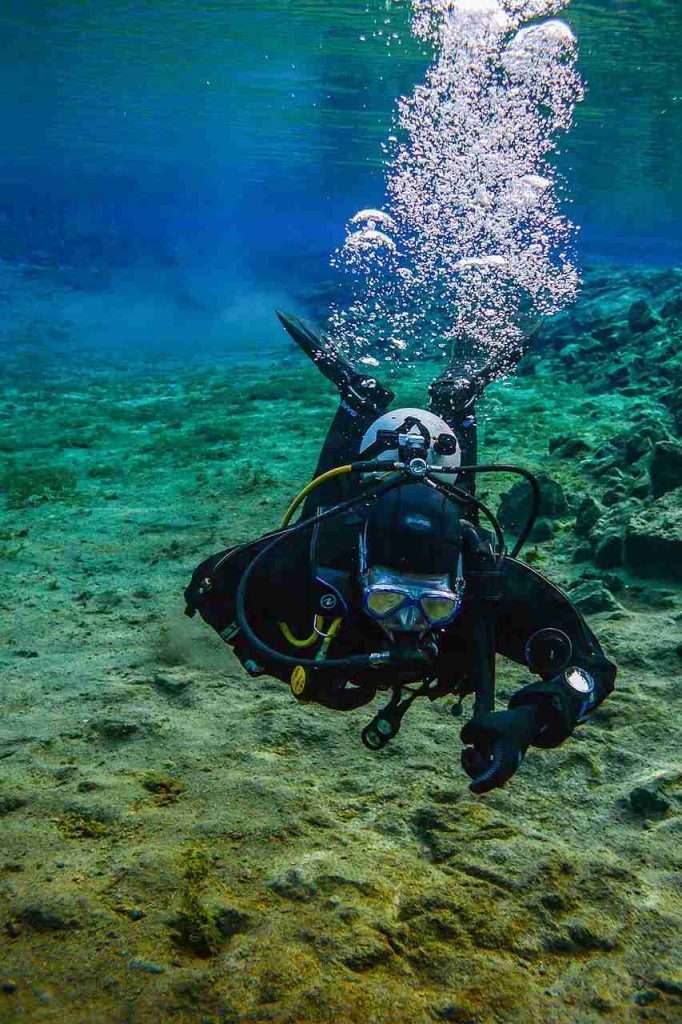
The HTMS Sattakut is a Thai warship deliberately sunk in 2011 to create an artificial reef near the island of Koh Tao, one of Thailand’s most famous diving destinations. This wreck lies at a depth of 18 to 30 metres, making it accessible to divers with advanced certification. Divers can explore the command bridge and gun turrets while enjoying the abundant marine life, including lionfish, groupers, barracudas, and moray eels. Our students at DPM Diving Koh Tao have the opportunity to discover it.
Marine life on shipwrecks
Shipwrecks are not just fragments of history; they are also full-fledged marine habitats. When a ship sinks, its metal and wooden structures become the ideal home for corals, sponges, fish, and other forms of marine life. These ecosystems often develop rapidly, transforming the remains into artificial reefs where species that otherwise would not have found shelter coexist.
One of the most fascinating aspects is how species such as lionfish, groupers, and sea turtles are attracted to these environments, making them their home. It’s incredible to see how life finds a way, even in the most inhospitable places, and how shipwrecks become integrated into the ocean's natural cycle.
Conservation of maritime heritage
Preserving these historical sites is vital to protect both maritime history and the marine life that thrives on them. Many wrecks are protected by international laws to prevent looting and damage, allowing scientists and marine archaeologists to study them in detail. Additionally, these conservation efforts help maintain the underwater ecosystems that rely on these wrecks as their habitat.
Organisations around the world work to ensure that shipwrecks are treated as sacred and respected places, preserving both their historical and ecological value.
Shipwreck diving – Explore them!
For divers, exploring a shipwreck is one of the most thrilling and challenging experiences available. It’s not just an adventure; it’s a direct connection to the past. And, moreover, an exclusive one. From the mystery of sunken ships in tropical waters to the enormous ocean liners of the Atlantic, every wreck tells a different story that you can almost touch with a different aspect, with a new skin, teeming with life.
That said, before embarking on such an adventure, it’s important to have the appropriate certification and follow safety rules. Each dive is an opportunity to discover something new but also to respect and protect these ocean monuments.




0 Comments