
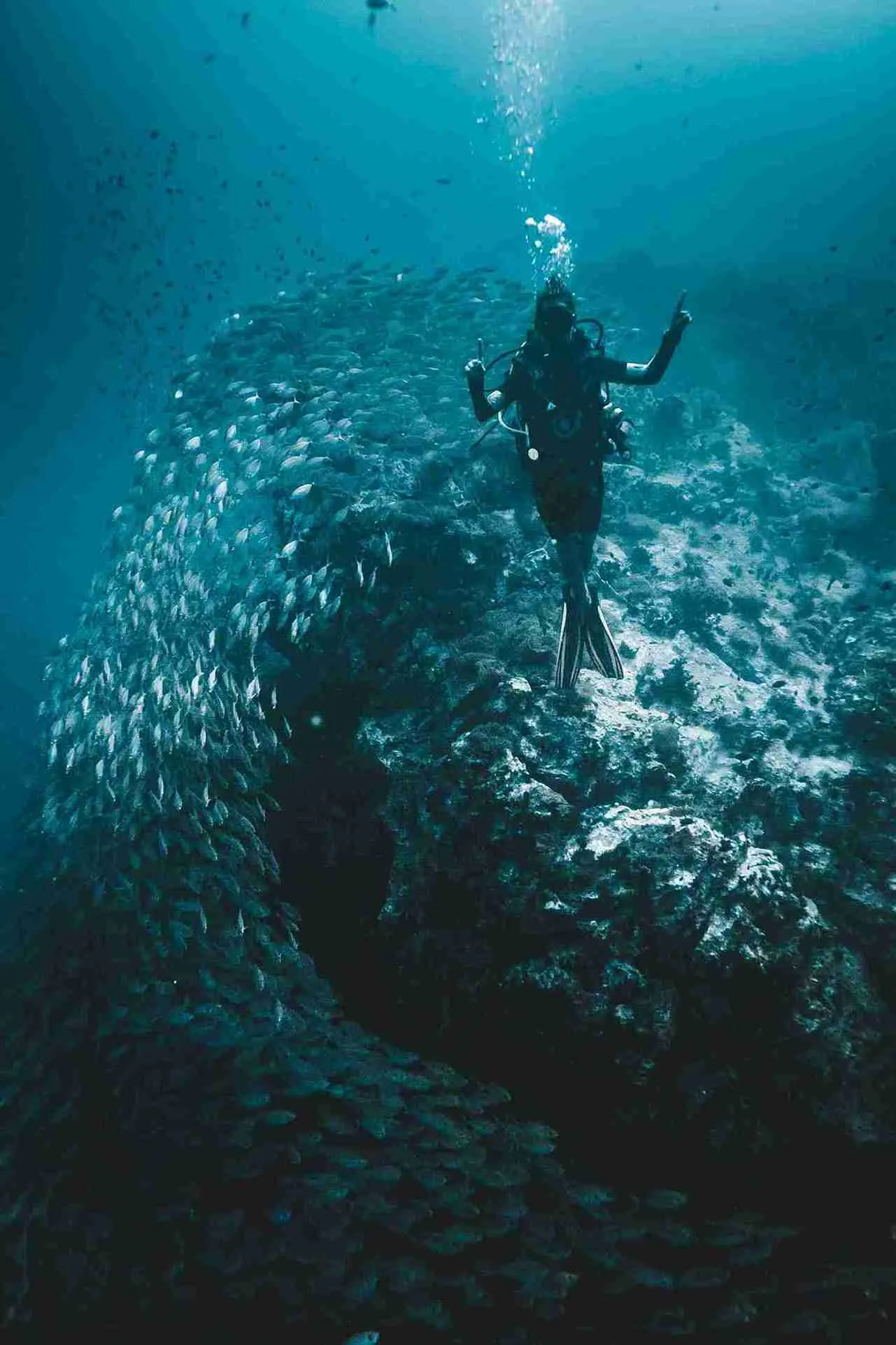
Two SSI schools · Gulf of Thailand & Andaman Sea
Diving in Thailand
Warm water all year, two very different seas and the island where more divers get certified than anywhere else on earth. Tell us your dates and we will build your trip.
Contact us on WhatsAppWhy Thailand is the easiest place in the world to start diving
Thailand has two coasts and two seas, and that is exactly why it works so well for divers. On the east side, the Gulf of Thailand gives you calm shallow bays, water between 28 and 30 °C and visibility that runs from 10 to 30 metres. On the west side, the Andaman Sea gives you limestone walls, a Marine National Park and bigger animals. Between the two, there is good diving every single month of the year.
We run two dive centres here. Koh Tao, in the Gulf, is a 21 km² island that has become the planet's biggest training ground: sheltered bays like Japanese Garden for your first dives, and granite pinnacles like Chumphon and Sail Rock once you are certified. Koh Phi Phi, in the Andaman, sits inside a Marine National Park 46 km off Phuket and Krabi, with reef sharks, leopard sharks and one of Thailand's most famous wreck dives twenty minutes from our centre in Tonsai Bay.
You do not need experience, and you do not need to choose between the two islands. Many divers start their Open Water in Koh Tao and finish the trip with fun dives in Phi Phi. Both centres are SSI, both run small groups, and your certification is the same one worldwide.

2
Dive schools in Thailand
2014
Year we opened in Koh Tao
10,000+
Divers certified in Koh Tao
Where we dive in Thailand
Two islands, two seas, two very different kinds of diving. Both with the same DPM standards: SSI instructors, small groups and equipment included.

Koh Tao, the world's training ground
Calm shallow bays, warm water year-round and the highest number of Open Water certifications issued anywhere on earth. That is not marketing, it is what the Gulf of Thailand does for beginners. Once you are certified, the island keeps giving: granite pinnacles with bull sharks and barracuda, a 48-metre navy wreck sitting on the sand, and whale sharks passing through twice a year. Our centre is 100 metres from Mae Haad beach, with its own hostel and bar if you want to stay where you dive.
- Whale sharks in March–May and August–September
- Chumphon Pinnacle and the HTMS Sattakut wreck
- Sheltered bays for your first dives
Koh Phi Phi, diving inside a Marine National Park
Limestone cliffs that keep going underwater, healthy reefs and a shark you will actually remember. Phi Phi sits in the Andaman Sea inside a Marine National Park, and the sites are close: most of them are a 20 to 60 minute boat ride from our centre in Tonsai Bay. Expect blacktip reef sharks on the shallow reefs, leopard sharks resting on the sand, hawksbill turtles near Maya Bay, and wall dives along Pileh Lagoon. Visibility peaks at around 30 metres in February and March.
- Leopard sharks and blacktip reef sharks
- Wall dives beside Pileh Lagoon and Maya Bay
- Dive sites 20 minutes from Tonsai Bay
Beyond our schools
Best places to dive in Thailand
An honest guide to the whole country, including the places where we do not have a school. Thailand has more good diving than two islands can cover, and the right choice depends on your level, your dates and how far you want to travel.
Gulf of Thailand, Surat Thani province
Koh Tao
The easiest place in the country to learn: sheltered bays for training, granite pinnacles once you are certified and whale sharks passing through in season. Calm, warm water and short boat rides make it the natural first stop.
Andaman Sea, Krabi province
Koh Phi Phi
Limestone walls, reef sharks and leopard sharks inside a Marine National Park, with most sites a short boat ride away. A good mix of easy reefs and wall dives, whether you are new to diving or already have a logbook.
Andaman Sea, Phang Nga province
Similan Islands and Richelieu Rock
Thailand's best-known big-animal diving: granite boulders, clear water and a chance of mantas and whale sharks, with Richelieu Rock famous for its macro life. It is mostly done on liveaboards from Khao Lak or Phuket and the national park closes for part of the year, so it suits divers with some experience and a few days to spare.
Andaman Sea, offshore from Koh Lanta
Koh Lanta: Hin Daeng and Hin Muang
Two isolated pinnacles in open water, covered in soft coral and known as one of the country's best spots for mantas and whale sharks. They are a long boat ride from Koh Lanta and currents can be strong, so they are for certified divers with experience; the reefs closer to Lanta are gentler.
Andaman Sea, Satun province, near the Malaysian border
Koh Lipe
A small island inside Tarutao Marine National Park, with shallow coral reefs, clear water and a quiet, laid-back feel. It is far from the main hubs and getting there takes time, but the reefs are easy and well suited to relaxed diving and snorkelling.
Andaman Sea, south of Phuket
Phuket and the Racha Islands
Phuket is the busiest dive hub on the Andaman coast, with day trips to the sheltered bays of Racha Yai and the more exposed reefs of Racha Noi, plus wrecks and pinnacles nearby. The international airport makes it easy to reach and many liveaboards leave from here, although the closest sites get crowded in high season.
Gulf of Thailand, between Koh Phangan and Koh Tao
Koh Phangan and Sail Rock
Sail Rock is a lone granite pinnacle rising from deep water, with a vertical chimney you can swim through, big schools of fish and the odd whale shark. It is the standout site of the southern Gulf and is reached by boat from Koh Phangan, Koh Samui or Koh Tao; Phangan itself has fewer and simpler sites.
When is the best time to dive in Thailand?
The short answer is that there is no bad month, because the two coasts take turns. When the southwest monsoon reduces visibility in the Andaman Sea, the Gulf of Thailand is at its clearest, and the other way round. Water temperature stays between 27 and 30 °C on both sides all year, so a 3 mm shorty is plenty wherever you dive.
In Koh Tao the dry season runs March to October, with the best visibility and the highest chance of whale sharks. In Koh Phi Phi the calmest seas and the clearest water come between November and April, while the plankton-rich months of June to October drop visibility by around a quarter but raise your odds of mantas and whale sharks at the southern sites. If your dates are fixed, message us and we will tell you honestly which island suits them better.
| School | Best time to dive | What you will see |
|---|---|---|
| Koh Tao (Gulf of Thailand) | March – October | Whale sharks in March–May and August–September, turtles, reef sharks and barracuda schools year-round |
| Koh Phi Phi (Andaman Sea) | November – April | Blacktip and leopard sharks year-round, hawksbill turtles, and better manta and whale shark odds June–October |
Diving courses in Thailand
Every course we run in Thailand is an SSI programme with a lifetime certification, full equipment and small groups. Start from zero, go deeper, or turn diving into your job.
Guides to plan your trip
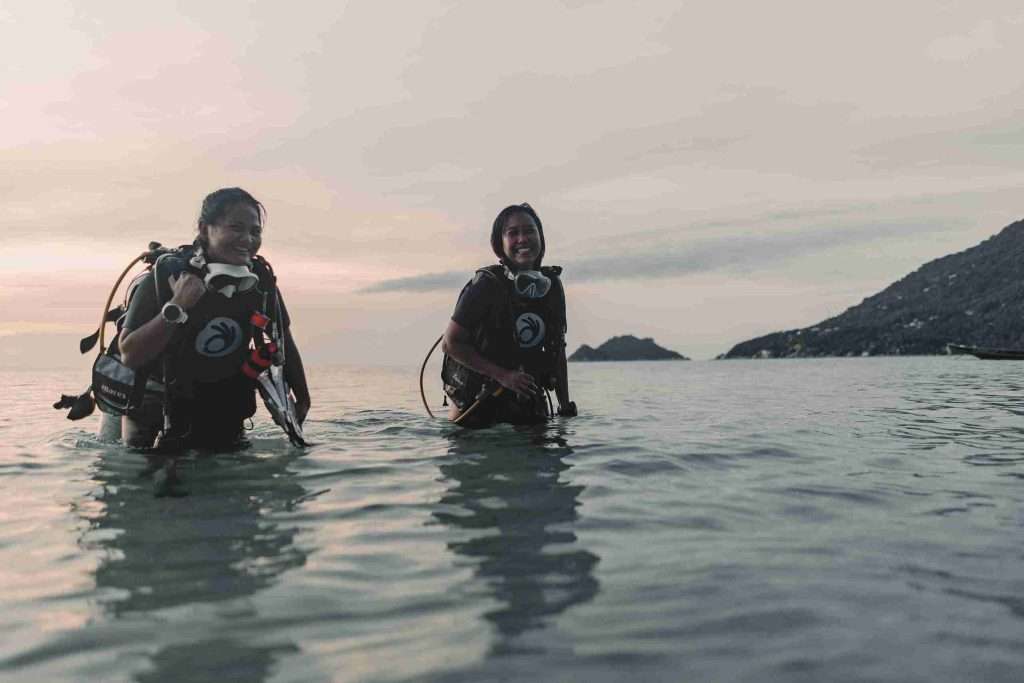
The Best Dive Sites in Koh Tao: A Complete Guide
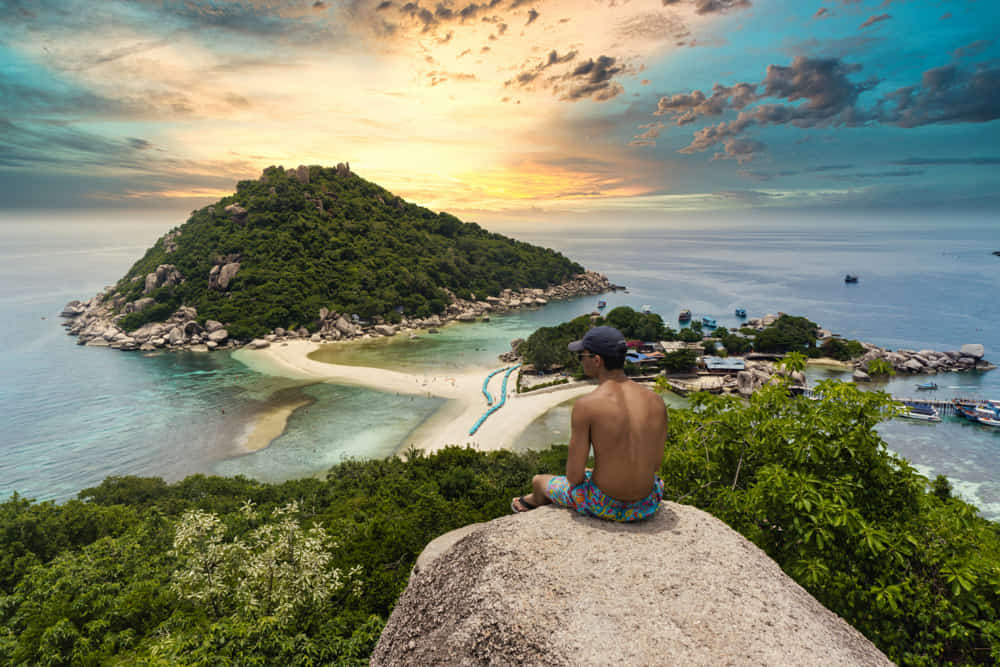
Best time to dive in Koh Tao
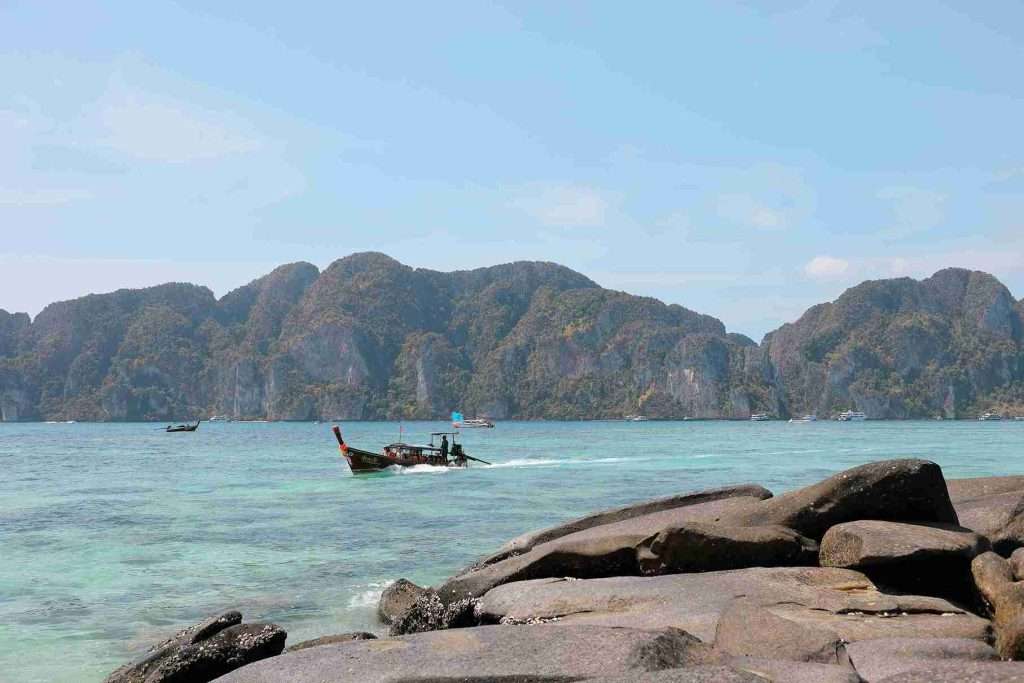
Where to Dive in Phi Phi? Guide and Map of the Best Spots

How to Get to Koh Tao: Complete Transportation Guide
Five dive destinations
Where do you want to take your course?
FAQ
Frequently asked questions about diving in Thailand
When is the best time to dive in Thailand?
Any month works, because the two coasts take turns: March to October is best in Koh Tao, and November to April is best in Koh Phi Phi. Water stays between 27 and 30 °C all year.
Do I need to be certified to dive in Thailand?
No. You can try diving in a single day with Try Scuba, or get your Open Water certification in three days. No previous experience is required and the minimum age is 10.
Which island is best for beginners?
Koh Tao. Its sheltered bays, calm shallow water and gentle conditions are the reason more people learn to dive there than anywhere else in the world.
Where can you see whale sharks in Thailand?
In the Gulf of Thailand, around Koh Tao and Sail Rock, mainly from March to May and again from August to September. In the Andaman, the best odds are at Hin Daeng and Hin Muang between June and October.
Can I dive in Koh Tao and Koh Phi Phi on the same trip?
Yes, and plenty of divers do. Both centres are ours, so we can plan your course at one island and your fun dives at the other. Write to us with your dates and we will sort the logistics.
Where is the best diving in Thailand?
It depends on your level and your dates. For learning, and for whale sharks in season, Koh Tao in the Gulf is the easiest choice; for big animals and clear water, a liveaboard to the Similan Islands and Richelieu Rock is the classic option; and Koh Phi Phi gives you sharks and walls with simple logistics. Our best places to dive section compares seven areas, and we have schools in Koh Tao and Koh Phi Phi.
Planning a dive trip to Thailand?
Tell us your dates, your level and how many days you have. We will tell you which island fits best and send you availability for both schools.