
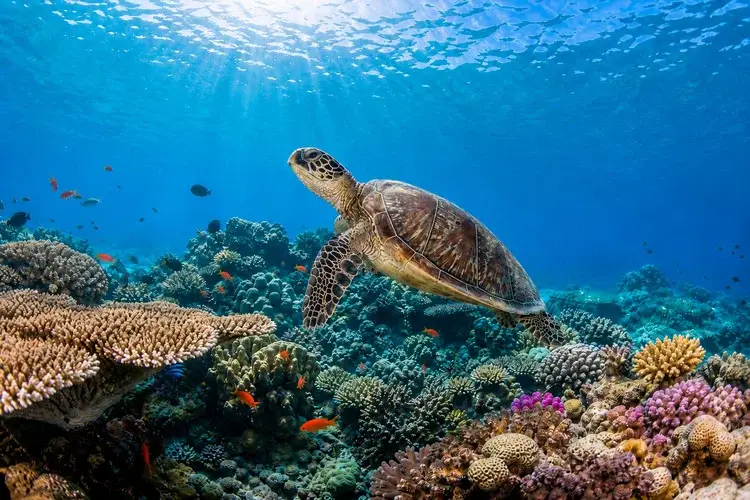





Gili Trawangan is located about 35 kilometers northwest of Lombok in the Indonesian archipelago and attracts visitors who want to enjoy the sea without logistical hassles. Snorkeling in Gili Trawangan is ideal because there are several reefs close to the shore, the water remains warm year-round, and green sea turtles frequent the shallow waters along the east and north coasts.
Since there are no motorised vehicles on the island and no river runoff to muddy things up, the water usually stays clearer than at many mainland sites in Indonesia. You can reach most entry points on foot in under fifteen minutes, grab a mask and fins from a beach vendor, and be drifting over coral almost instantly. Boat tours let you check out neighbouring Gili Meno and Gili Air, where you'll find underwater sculptures and some different reef setups—all doable in a single morning if you want.
Conditions shift with the tide, current, and season, so a little planning goes a long way. This guide breaks down the main snorkelling spots on Gili Trawangan, where turtles and reef sharks tend to hang out, when you might want a guided trip instead of just wading in, what water conditions mean for your comfort and visibility, and how to avoid mishaps while snorkelling around the Gili Islands.
Is Gili Trawangan Good for Snorkelling?
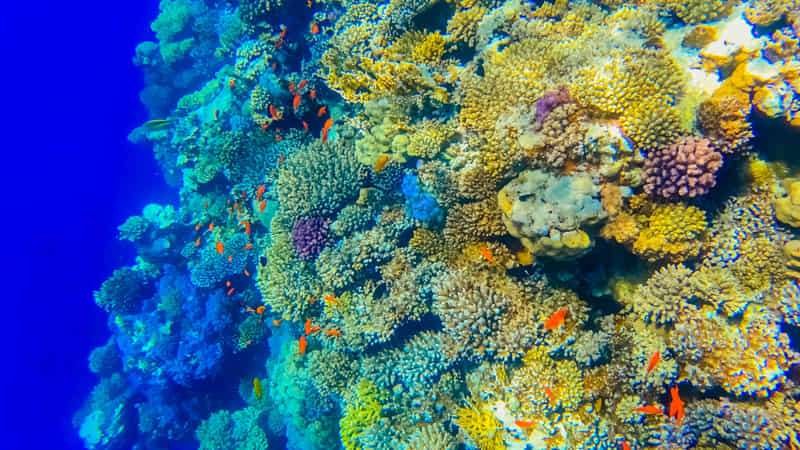
Gili Trawangan is one of the most accessible snorkelling destinations in the Gili Islands, and honestly, one of the easiest places in Indonesia to snorkel from the beach without needing a boat or guide. The eastern and northern shores have shallow coral that starts just a short swim from the sand, the water temperature hovers between 27 °C and 30 °C, and green sea turtles regularly feed in the seagrass beds close to shore.
The island works well for beginners since several entry points drop you right into calm, shallow reef zones with little current if you time the tide right. If you’re more experienced, you can venture out toward the drop-offs where the reef shelf falls away into deeper water. For anyone arriving from Lombok by fast boat, Gili Trawangan is the first and largest of the three Gili Islands, with the most accommodation and tour options.
What makes Gili Trawangan practical is the variety. You might spend a morning snorkelling from the beach at Turtle Point, then hop on a boat tour in the afternoon that loops around Gili Meno and Gili Air.
Still, conditions can change fast. Visibility sometimes drops after rain or during strong tides, and the western coast isn’t great for snorkelling—there’s more boat traffic and less reef. Picking your entry point based on current conditions and asking locals about the tide makes a real difference.
Sea tortoise observation point near the coast
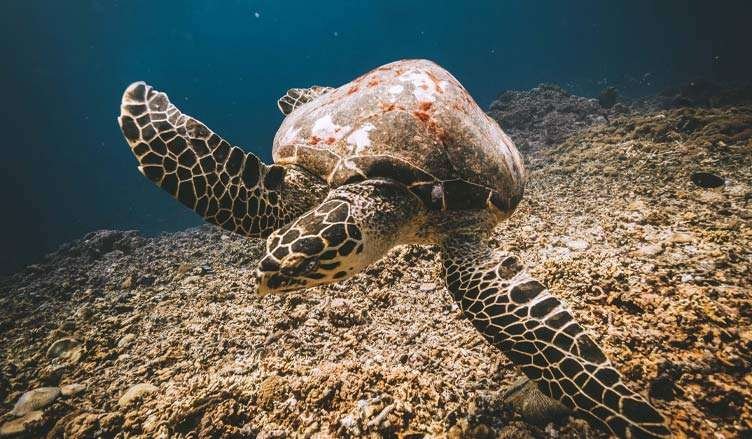
Turtle Point, up on the north-east coast, is the top beach-entry spot for turtle sightings. Green sea turtles feed in the seagrass and coral here, and you’ll often spot them in water just 3 to 5 meters deep. Beach vendors near Turtle Point rent gear for about 50,000 IDR and can give you the latest on tides and where turtles showed up that morning.
Sightings are pretty common, but it depends on the turtles’ mood, time of day, and tides. Early morning usually means calmer water and fewer people, which helps your odds. Please, don’t touch, chase, or block turtles—give them space. The IUCN lists green sea turtles as endangered, and it’s on all of us to protect both the animals and their habitat.
North coast reefs: habitat of corals and fish.
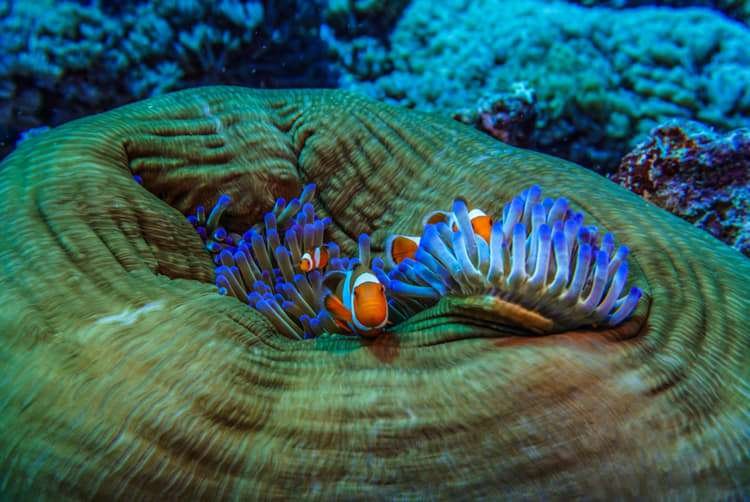
The northern coastline has several reef sections with hard coral, table corals, and a wider range of reef fish than the sandier west side. You can enter from quieter beaches between the north-east and north-west corners and swim over shallow gardens full of butterflyfish, parrotfish, clownfish, and schools of damselfish.
- Parrotfish eating algae from corals.
- Clownfish in their anemone homes on rocky reef.
- Damselfish and chromis schooling over branching coral.
- Triggerfish, butterflyfish, and wrasses along the reef edge.
- Small groupers and moray eels hiding in the crevices.
These spots are usually less crowded than Turtle Point, and if you’re more into coral and fish diversity than turtles, you’ll probably like them better. The reef structure is more varied here, with overhangs and little walls that give shelter to smaller species. Watch your fins when swimming over shallow sections—accidentally kicking coral does real damage, and these organisms grow painfully slow.
Where Is Shark Point?
Blacktip and whitetip reef sharks live around the Gili Islands, but don’t count on seeing them while snorkelling. They usually hang out deeper during the day, and divers have better luck spotting them at sites like Shark Point (which sits at about 20 meters deep, too deep for snorkeling).
Every now and then, a reef shark will cruise through shallow water, especially early or late in the day. If you see one, just stay calm and watch from a distance. They’re not interested in people and usually swim away. No need to panic, but also, don’t expect a shark sighting on a normal snorkel trip.
Where Is Manta Point?
Manta Point sits off Gili Trawangan’s southern tip, with depths usually between 14 and 20 meters—way too deep for snorkelling. The current can get strong, and you can’t really see anything from the surface with just a mask and snorkel.
If you want to snorkel with mantas, you’ll have better luck in places like Nusa Penida. Around the Gilis, manta sightings are rare—don’t plan your trip around them.
Best Snorkelling Spots in Gili Trawangan
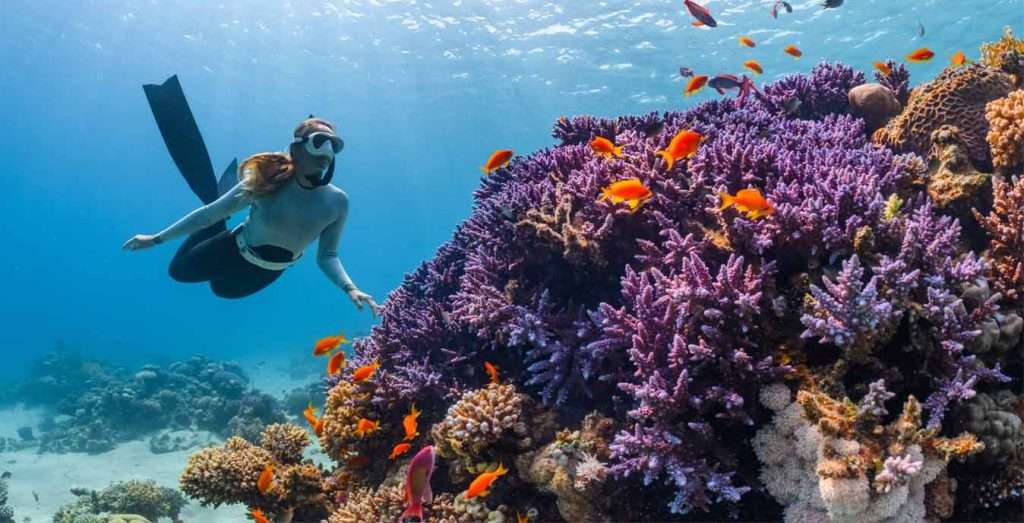
The main snorkelling spots on Gili Trawangan cluster along the eastern and northern shores, where the reef is strongest and the beach is easy to access. Three areas really stand out: Turtle Point for turtles, Halik Reef for coral and fish, and the Biorock structures for artificial reef and restoration projects.
Each spot suits a different type of snorkeller. Some are just a wade from the sand, others are further out and better for strong swimmers or boat access. Here’s a quick comparison before you plan your day:
| Spot | Main draw | Access | Suited to |
|---|---|---|---|
| Turtle Point | Green sea turtles, seagrass habitat | Beach entry, north-east coast | All levels |
| Halik Reef | Hard coral, reef fish diversity | Beach entry or boat, northern coast | Comfortable swimmers |
| Biorock structures | Artificial reef, coral restoration | Boat or longer shore swim | All levels with a guide |
Beach snorkeling vs. boat snorkeling
Beach and boat snorkelling on Gili Trawangan offer different experiences, and which works for you depends on your goals, swimming comfort, and time. Beach entry is simple, cheap, and flexible. Boat tours cover more ground and take you to sites on the other Gilis that you simply can’t reach by swimming.
| Beach snorkelling | Boat snorkelling | |
|---|---|---|
| Cost | Mask and fin hire, approx. 50,000 IDR | Group tour, approx. 100,000 IDR per person |
| Sites covered | Turtle Point, Halik Reef, nearby reef areas | Multiple stops across Gili Trawangan, Gili Meno, Gili Air |
| Equipment | Rented from beach vendors | Usually included in tour price |
| Timing | Your own schedule | Fixed departure, typically morning |
| Suited to | Independent swimmers, short sessions, repeat visits | First-time visitors, less experienced swimmers with a life jacket, interest in multiple islands |
Underwater sculptures and other stops along the route.
Remember the famous underwater sculpture you probably saw on Instagram? It is actually located off the west coast of Gili Meno, not Gili Trawangan. It is called the Nest Sculpture or BASK Statue. Most snorkeling boat tours from Gili Trawangan make a stop there. Coral is starting to grow and small fish live in it, so it is becoming a piece of living art.
On Gili Trawangan, near Villa Ombak on the southeast coast, you will find submerged Vespa motorbikes and scooters. They are fun for a quick photo, but it is really more of a novelty than an ideal snorkeling spot. Visibility is not always good, so check the water condition before going in.
How to choose tours, schedules, and where to stay in Gili Trawangan
Standard snorkeling tours focus on the eastern and northern reefs, Turtle Point, and sometimes include a visit to Gili Meno and Gili Air. Shark Point is not on the itinerary. If you want to see deep-water marine life, book a fun dive or a guided dive as a certified scuba diver.
Morning trips, usually between 8 and 10 am, give you calmer water, better visibility, and fewer boats at the main snorkelling spots. If you’re joining a group tour, check what time the boat leaves and whether you’ll hit the same stops as everyone else at the same hour. With a private boat, you get to pick your timing and can dodge the crowds.
If you stay on the east side of the island—from the harbour up to the north-east—you’ll have a quick walk to the main snorkelling beaches and tour desks. Most hotels and hostels here can sort out tours for you right at reception.
Conditions, currents, and who should use a life jacket
Tides affect both visibility and access. At very low tide, the reef close to shore can become too shallow to swim over safely. At high tide, the extra depth over the reef sometimes makes visibility tricky. Generally, mid-tide—either coming in or going out—offers the best balance between depth and visibility.
During the wet season (November to March), sudden rain can mess up visibility and the currents get less predictable. Snorkelling’s still doable on calm days, but you’ll want to check the water each morning instead of assuming it’ll be clear.
If you’re not sure about reading conditions, grab a life vest and maybe join a guided tour. Currents around the Gilis can change with the tide, and knowing how they work is part of staying safe. The Divers Alert Network always says to check local conditions before heading out—same goes for snorkelling or diving.
Frequently Asked Questions
Where are the best snorkelling locations around the island for clear water and healthy coral?
The east and north coasts of Gili Trawangan have the clearest water and healthiest reefs. Turtle Point on the north-east and Halik Reef on the north are top picks. The west and south coasts usually have lower visibility—there’s more boat traffic, sediment, and the reefs aren’t as strong.
How likely is it to see sea turtles and what are the most reliable areas to find them?
Green sea turtles frequently appear at Turtle Point, especially in the morning around mid-tide. You will see them often, but there are no guarantees: turtles are wild animals that move with the tides and their feeding schedules.
Add Image
Do you need a guided tour or is it enough to snorkel from the shore?
Snorkeling from the shore is completely possible at Turtle Point and along the north coast if you are a confident swimmer and can check the water conditions. A guided boat tour is worth it if you want to visit multiple islands and see the underwater sculptures.
Add Image
What equipment is recommended and where can you rent quality snorkel gear locally?
You’ll need a good mask, snorkel, and fins—those are the basics. Beach vendors at Turtle Point and along the east coast usually rent out gear sets for about 50,000 IDR.
References
- Lestariningsih, W. A., Himawan, M. R., Rahman, I., Araujo, G., Adiwijaya, C., Khaldun, M. H. I., Cahaya, H. K., Alam, D. H., & Hotmariyah. (2025). Spatial distribution and utilization of marine habitats by green turtle (Chelonia mydas) and hawksbill turtle (Eretmochelys imbricata) in the Gili Matra Island Marine Protected Area. Jurnal Sains Teknologi & Lingkungan, 11(2), 317–325. https://doi.org/10.29303/jstl.v11i2.869
- Arifin, L., Bakti, A., Virgota, A., Damayanti, L. P. A., Radiman, T. H. U., Hernawati, A. R., Sabil, A., & Robbe, D. (2012). Biorock reef restoration in Gili Trawangan, North Lombok, Indonesia. In Innovative methods of marine ecosystem restoration. CRC Press. https://doi.org/10.1201/b14314-6
- Krieger, J. R., & Chadwick, N. E. (2013). Recreational diving impacts and the use of pre-dive briefings as a management strategy on Florida coral reefs. Journal of Coastal Conservation, 17, 179–189. https://doi.org/10.1007/s11852-012-0229-9
- Hannak, J. S., Kompatscher, S., Stachowitsch, M., & Herler, J. (2011). Snorkelling and trampling in shallow-water fringing reefs: Risk assessment and proposed management strategy. Journal of Environmental Management, 92(10), 2723–2733. https://www.sciencedirect.com/science/article/pii/S030147971100209X?via%3Dihub

0 Comments